Why Modular Homes Are a Profitable Investment in 2025 and Beyond
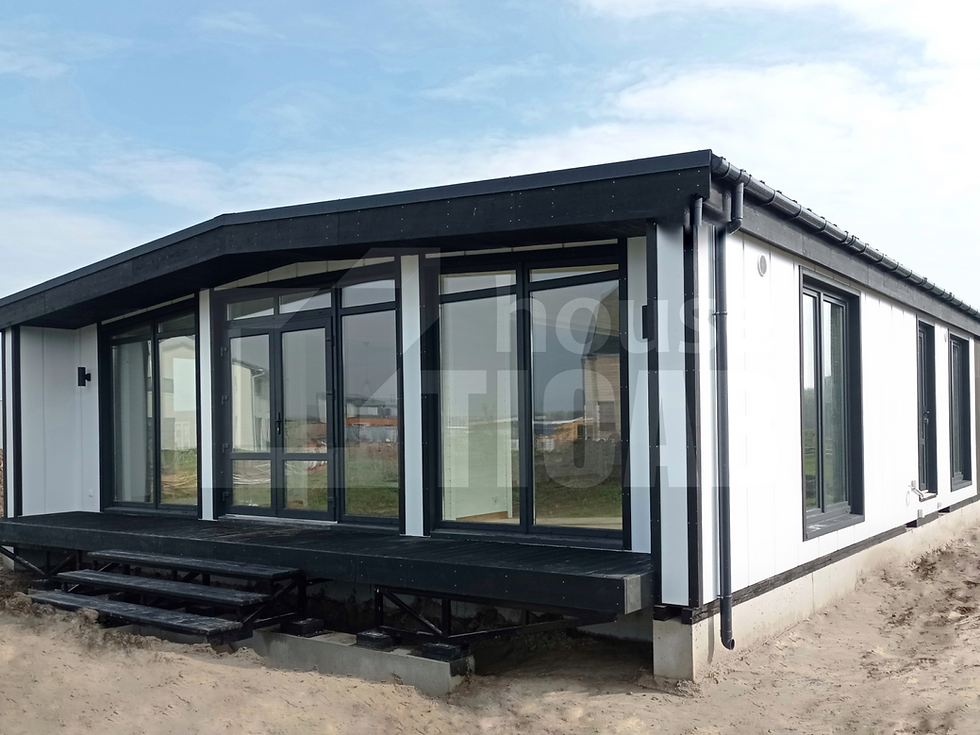
Modular homes are rapidly transforming the global housing market. Once considered a niche solution, they are now a profitable, scalable, and future-proof investment for homeowners, developers, and investors alike. Rising construction costs, housing shortages, and demand for faster, more sustainable building solutions have made modular homes one of the smartest financial decisions today.
In this article, we’ll explain why modular homes are profitable, how they reduce costs, increase returns, and why demand continues to grow worldwide.
What Are Modular Homes?
Modular homes are factory-built houses produced in controlled environments and then assembled on-site. Unlike traditional construction, modular housing uses standardized processes, advanced manufacturing, and optimized logistics.
Key characteristics:
Built off-site in modules
Faster construction timelines
Consistent quality control
Predictable costs
These advantages directly impact profitability.
Lower Construction Costs = Higher Profit Margins
One of the biggest reasons modular homes are profitable is cost efficiency.
How modular homes reduce costs:
Up to 20–30% lower construction costs compared to traditional homes
Minimal material waste due to factory precision
Bulk purchasing of materials
Reduced labor costs and fewer delays
Because modular homes are built indoors, projects are not affected by weather conditions, theft, or long downtime — all common cost drivers in traditional construction.
Lower input costs = higher net profit.
Faster Build Time Means Faster Return on Investment
Time is money, especially in real estate.
Traditional construction can take 6–12 months or longer, while modular homes can be completed in 6–12 weeks (from production to installation).
Financial advantages of speed:
Earlier rental income
Faster resale opportunities
Reduced financing and interest costs
Quicker market entry for developers
For investors, this means shorter payback periods and improved cash flow.
High Demand and Growing Market Value
The global demand for modular homes is increasing due to:
Housing shortages
Rising urbanization
Demand for affordable housing
Growth of short-term rentals and vacation homes
Modular homes are especially popular for:
First-time buyers
Rental properties
Airbnb and holiday homes
Workforce housing
Remote and rural developments
High demand + limited supply = strong resale and rental value.
Modular Homes Are Ideal for Rental Income
Modular homes offer excellent opportunities for passive income.
Why investors choose modular homes for rentals:
Lower upfront investment
Quick installation on small plots
High appeal to tenants (modern design, energy efficiency)
Easy scalability (add more units)
Many investors report ROI within 3–6 years, especially in tourist areas and suburban locations.
Energy Efficiency Reduces Long-Term Costs
Modern modular homes are built to high energy standards, often exceeding traditional construction requirements.
Benefits include:
Lower heating and cooling bills
Better insulation and airtightness
Compatibility with solar panels and heat pumps
For owners and tenants, this means lower monthly expenses, increasing the long-term value and attractiveness of the property.
Predictable Budget = Lower Financial Risk
One of the hidden costs of traditional construction is unpredictability:
Price fluctuations
Delays
Change orders
Modular homes offer fixed pricing and transparent contracts, making them a safer investment.
This predictability is crucial for:
Real estate developers
Investors
First-time homeowners
Commercial projects
Lower risk = higher confidence in returns.
Scalability for Developers and Businesses
For developers, modular homes unlock scalable profits.
You can:
Replicate the same model multiple times
Reduce design and approval costs
Optimize logistics and production
Expand faster into new markets
This makes modular housing ideal for:
Residential developments
Hotel-style accommodation
Student housing
Temporary or mobile housing solutions
Strong Resale Value and Long-Term Durability
A common myth is that modular homes lose value faster — this is no longer true.
Modern modular homes:
Meet or exceed building codes
Use durable, certified materials
Have comparable or higher resale value than traditional homes
When properly maintained, modular homes appreciate similarly to conventional housing, especially in high-demand regions.
Conclusion: Modular Homes Are a Smart and Profitable Choice
Modular homes combine lower costs, faster construction, high demand, and long-term efficiency, making them one of the most profitable housing solutions available today.
Whether you are:
An investor seeking rental income
A developer looking to scale
A homeowner wanting value for money
Modular homes offer a clear financial advantage.
As housing markets continue to evolve, modular construction is no longer an alternative — it’s the future of profitable real estate.
Do you want a modular home?
Just tell me 👍


Comments